

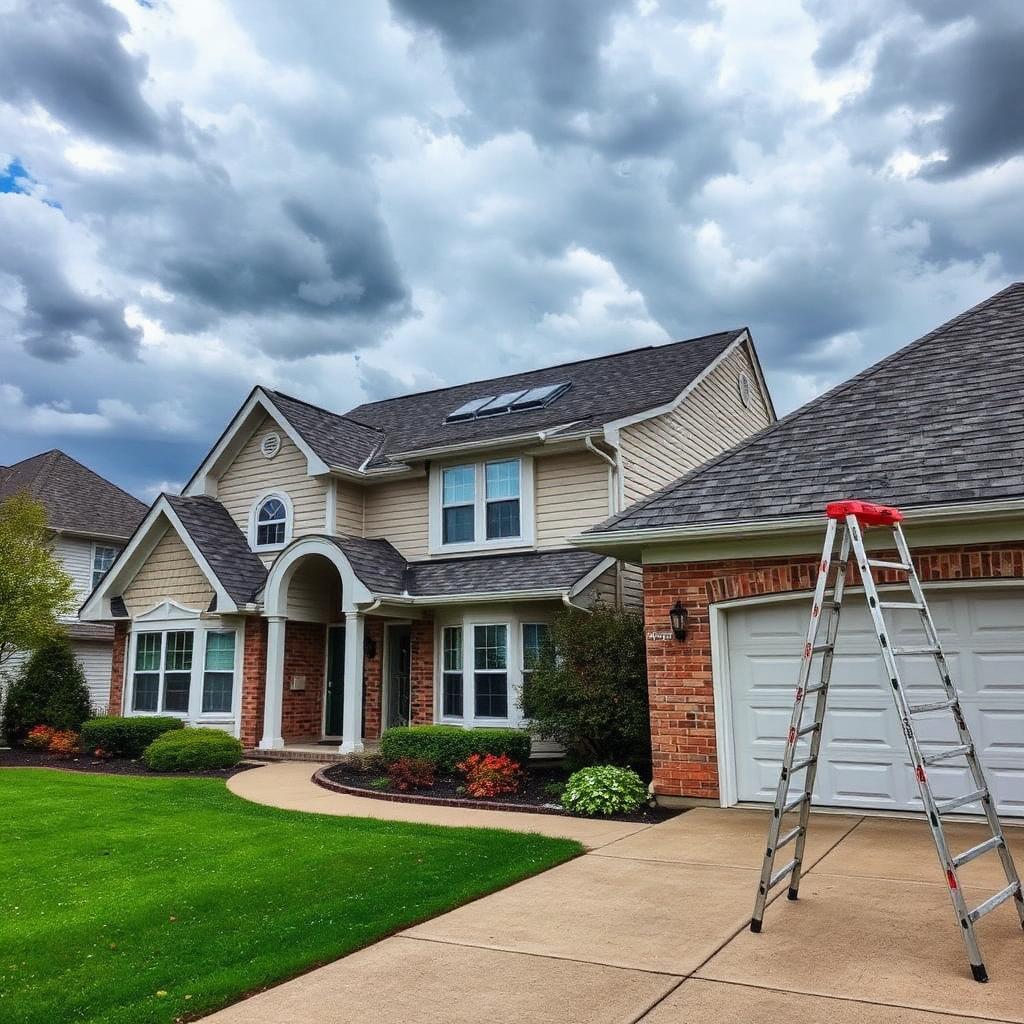
When a hail or wind storm rolls through St. Charles, Geneva, Batavia, Elgin, or anywhere else in Kane County, the hours afterward can feel confusing. Neighbors compare notes, door knockers appear, and it is hard to know what is actually wrong with your roof. This guide explains how Hammerfall Roofing handles storm restoration, so you know what to expect at every step.
Every project follows the same framework: Assess, Document, Advise, Restore. The goal is simple. You'll never have to guess what's happening with your roof.
Step 1: Assess the Roof in Person
A Roof Assessment is more than a quick look from the driveway. We walk the roof when it is safe, check shingles, flashing, vents, gutters, and soft metals, and look inside the attic when needed. Kane County storms often bring both hail and strong wind, so we check for impact bruising, granule loss, creased or lifted shingles, and loosened flashing.
- Shingle surfaces for hail bruising and fractured mats
- Tabs that are creased, lifted, or missing after wind
- Soft metals such as vents and gutters, which show impact marks clearly
- Flashing around chimneys, skylights, and walls
- Interior signs such as attic staining or damp insulation
Step 2: Document What Others Miss
Documentation is where many storm claims succeed or struggle. We document what others miss with close-up photos, drone imagery of slopes that are hard to see, and a written report that explains each finding in plain language. You receive a copy, whether or not you move forward with us.
Good documentation is dated, organized by roof slope, and shows both the damage and its context. That record helps you, your insurance carrier, and any future buyer understand the roof's true condition.
Step 3: Advise, With No Pressure
Once findings are documented, we sit down and explain your options. Sometimes the right answer is a small repair. Sometimes the damage supports an insurance claim. Sometimes the roof is fine and simply needs routine maintenance. Education before sales means you decide with clear facts, not urgency.
Insurance Claim Support
If the damage supports a claim, we help you understand the process. The filing window is set by your own policy, so we always recommend checking your policy documents or calling your agent. Owner Dean is a licensed public adjuster in Illinois, so he understands what carriers look for and can explain each step calmly.
The Adjuster Meeting
Your carrier will usually send an adjuster to inspect the roof. We can meet the adjuster on-site, walk the roof together, and point out each documented area of damage. Having your own documentation in hand keeps the conversation focused on facts and helps make sure nothing is overlooked.
Supplement Documentation
Sometimes the first estimate does not include everything needed to restore the roof properly, such as items discovered during tear-off or code-related components. When that happens, we prepare supplement documentation with photos and a clear explanation of each item so your carrier can review it.
Step 4: Restore the Roof
Restoration is completed with owner-led oversight and quality GAF roofing systems, installed by a GAF Certified Plus contractor. Old materials are removed, the deck is checked, and the new system is installed with proper underlayment, flashing, and ventilation. When the job is done, we provide final documentation so your records are complete.
What to Do Right After a Storm
- Stay off the roof. Look from the ground for missing shingles or debris.
- Check ceilings and the attic for new stains or drips.
- Take your own photos of anything visible, including dented gutters or siding.
- Review your homeowners policy for claim timeframes.
- Request a documented Roof Assessment before agreeing to any work.
Clarity and protection after the storm. Call Hammerfall Roofing at (630) 345-8822 or request a free Roof Assessment online.
Quick Answers
How long do I have to file a roof hail claim in Illinois?
The filing window is set by your own homeowners policy, so check your policy documents or ask your agent for the exact timeframe. Waiting is risky either way: damage can worsen and evidence fades. We recommend a documented roof assessment soon after a storm so any claim is backed by dated photos and findings.
Can minor hail damage be ignored if the roof is not leaking yet?
Not safely. Hail can bruise shingles, loosen granules, and crack the mat underneath without causing an immediate leak. Those weak spots age faster and can let water in during later storms or freeze-thaw cycles. A documented assessment shows whether the damage is cosmetic or functional, so you can decide with facts.
Why does having a licensed public adjuster inspect my roof matter?
Owner Dean is a licensed public adjuster in Illinois, so he understands how carriers evaluate storm damage and what documentation they expect. That means your roof is assessed and recorded to the standard insurers review, and you have an advocate who can explain the process calmly instead of leaving you to navigate it alone.
How fast can Hammerfall respond after a storm?
Most homeowners hear back the same business day. After a hail or wind event we prioritize storm calls and typically get on-site within 24 to 48 hours, so damage is documented before it is covered up, repaired by someone else, or forgotten. Temporary protection can be arranged if water is getting in.
Related Services and Areas
Ready for a free roof assessment?
Owner-led service across St. Charles and nearby Illinois communities.