

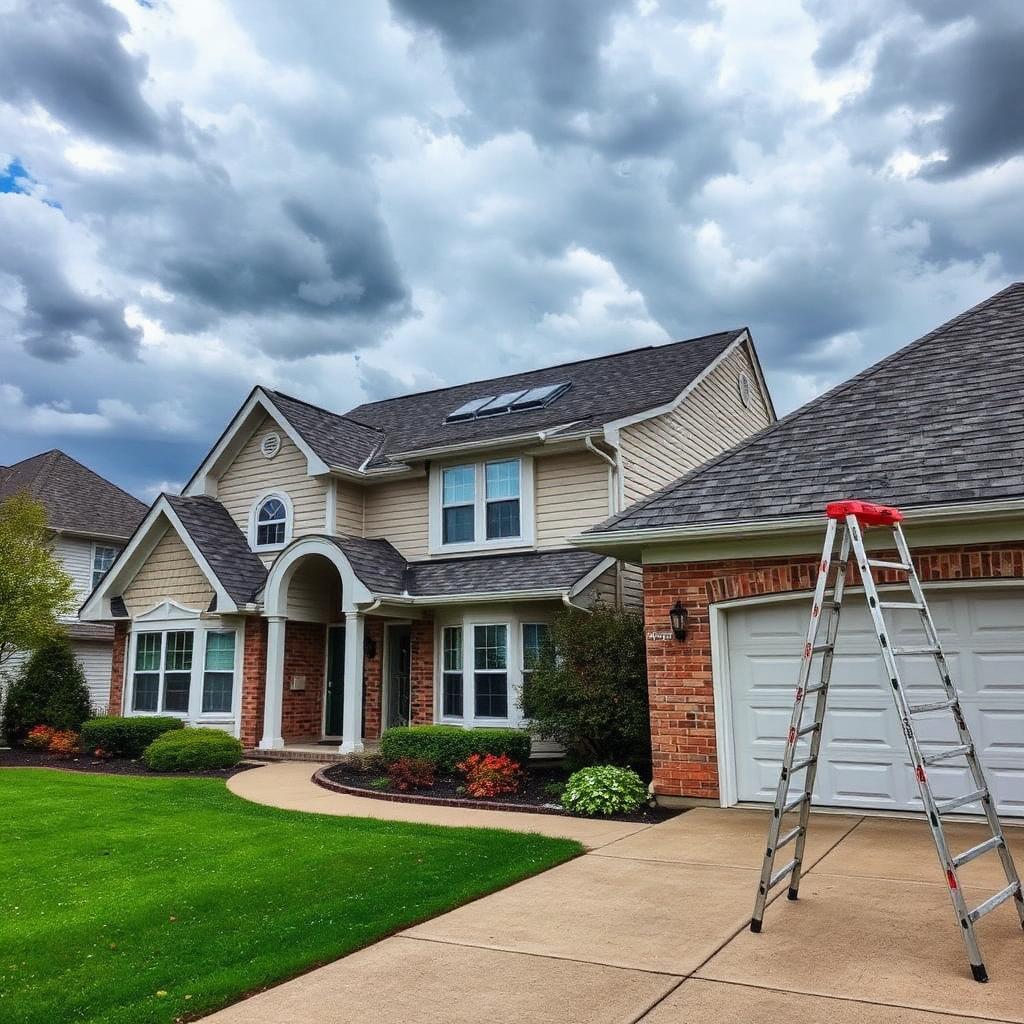
Hail, strong wind, and tornadoes can damage a roof within minutes. Some problems are easy to spot, while others may not be visible from the ground.
After a storm, homeowners often have the same questions. Is the roof damaged? Should I contact my insurance carrier? What documents will I need? Who can help explain the process?
Taking the right steps early can help you understand the damage and avoid further problems.
Start With a Safe Property Check
Do not climb onto a wet, steep, or damaged roof. Begin with a ground-level inspection after conditions are safe.
Look for:
- Shingles or roofing debris in the yard
- Missing or lifted shingles
- Dents on gutters and downspouts
- Damage to siding, screens, or exterior fixtures
- Water stains on ceilings or walls
- Active dripping or moisture in the attic
- Fallen branches or visible impact damage
Take photos and videos of anything unusual. Include wide shots of the property and close views when they can be captured safely.
Schedule a Professional Storm Damage Inspection
Roof damage is not always obvious. Hail may bruise shingles or remove protective granules. Wind can loosen shingles without removing them completely. Flashing and roof penetrations may also be affected.
A detailed inspection helps document the condition of the roof and determine whether damage appears consistent with a recent storm.
The inspection may include photos, measurements, notes, and an estimate for repairs or replacement when appropriate.
Review Your Insurance Policy
Home insurance policies are not identical. Coverage may depend on your policy language, deductible, roof age, cause of loss, and other conditions.
Review the policy and note any deadlines for reporting damage. Contact your insurance carrier when you need clarification about coverage or the claim filing process.
Avoid assuming that all visible damage is covered or that every claim will lead to full roof replacement. The carrier reviews the facts, documentation, policy terms, and scope of damage before making a decision.
What Happens During the Claim Process?
Although every claim is different, the process may include these steps: roof inspection, claim initiation with the carrier, an adjuster visit, submitting damage documentation, claim review, settlement per policy terms, completion of covered roofing work, and final completion documentation submitted to the carrier.
Why Clear Documentation Matters
Roofing claims depend heavily on accurate information. A detailed report can help show the roof's condition, location of damage, affected materials, and recommended repair scope.
Keep copies of:
- Inspection reports
- Photos and videos
- Insurance correspondence
- Estimates
- Policy documents
- Invoices and receipts
- Temporary repair records
- Completion documents
Organized records make it easier to follow the claim and respond to questions from the carrier.
Prevent Further Damage
Homeowners are generally expected to take reasonable steps to prevent additional damage after a loss. This may include temporary tarping or another form of emergency mitigation.
Temporary work should be documented with photos and receipts. Avoid permanent repairs until the damage has been inspected and you understand any requirements from your insurance carrier, unless immediate work is necessary for safety.
Choosing a Roofing Contractor After Approval
Once the approved scope is clear, select a contractor based on experience, communication, materials, and installation quality. The lowest quote is not always the best fit if important roofing components are left out.
Hammerfall Roofing provides roof repairs and replacement using quality roofing materials, including premium GAF shingles. Dean personally oversees projects and helps homeowners understand the roofing work needed to restore the property.
Storm Damage Support in St. Charles, IL
You do not have to navigate roof damage without professional guidance. Hammerfall Roofing helps St. Charles homeowners inspect and document damage, understand the repair scope, and complete approved roofing work.
Contact Hammerfall Roofing after hail, wind, or tornado damage to schedule a roof inspection and discuss the next steps.
Ready for a free roof assessment?
Owner-led service across St. Charles and nearby Illinois communities.